Source romantic rose soap flower for Home, Wedding, and Party Decor
Compare 30 listings for the romantic rose soap flower, featuring customizable designs, various colors, and OEM capabilities. Buyers can evaluate specifications like size, scent, and material to find suitable options for home, wedding, and party decoration needs.
Key considerations
Products List
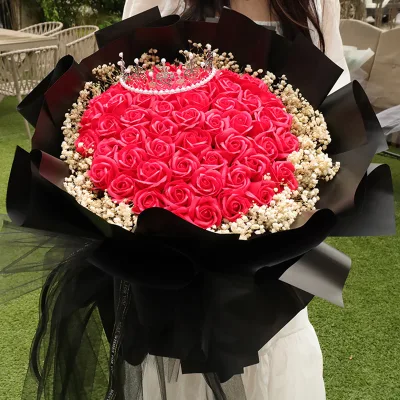
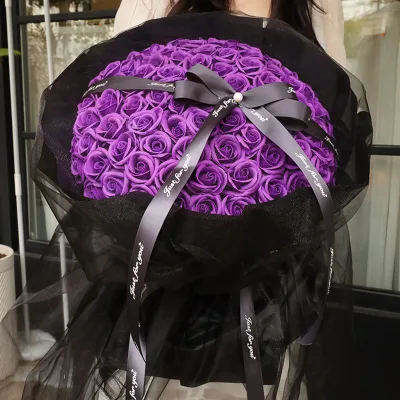
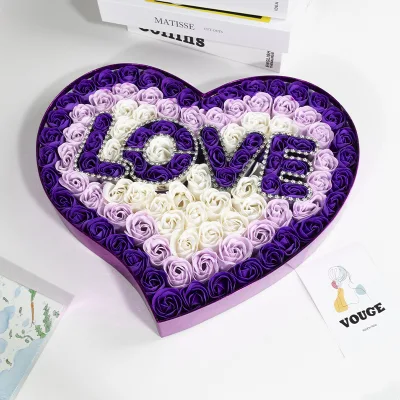
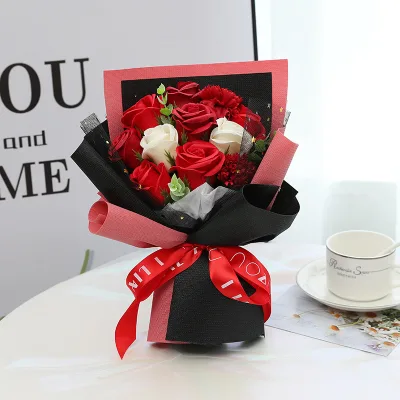
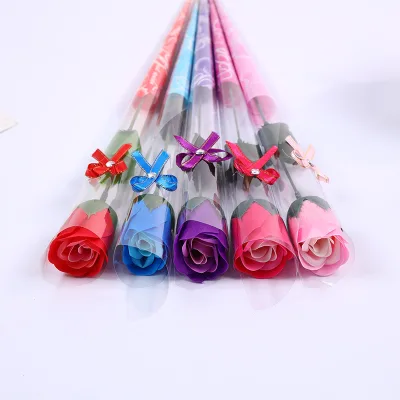


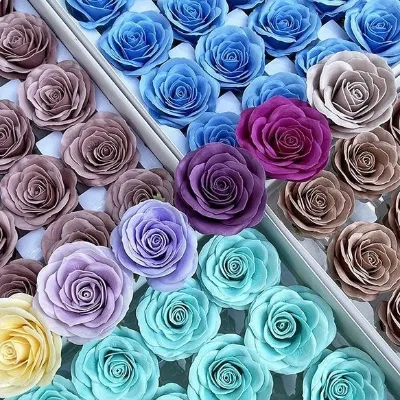
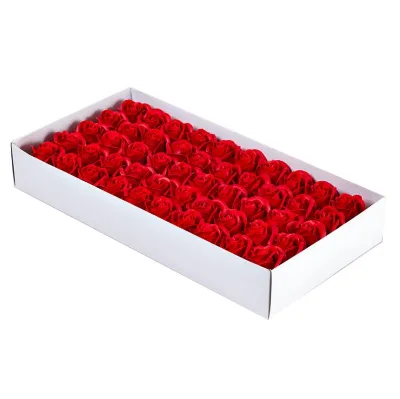


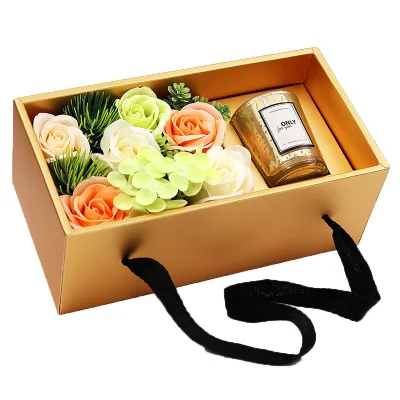
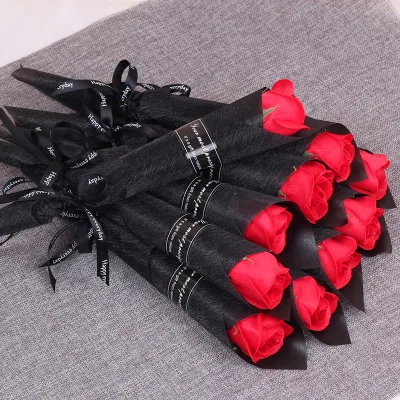
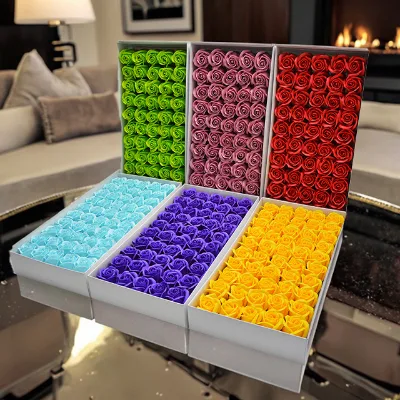

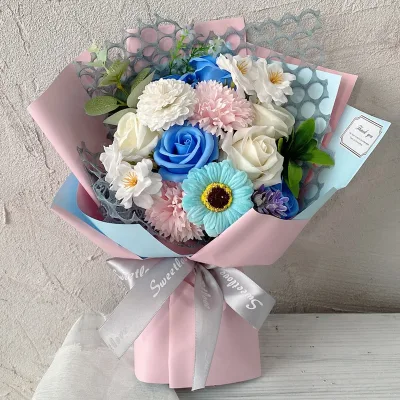
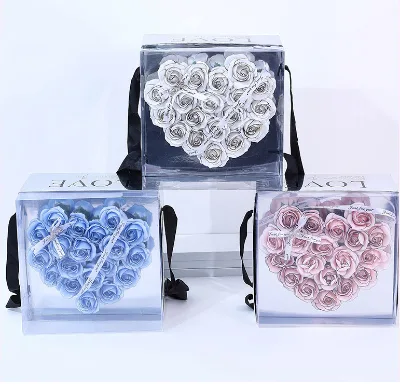
Comprehensive Sourcing Guide
Strategic Sourcing Guide for Romantic Rose Soap Flowers
The global B2B market for decorative and functional floral products has seen a significant shift toward items that blend aesthetic appeal with utility. Among these, the romantic rose soap flower represents a unique intersection of horticultural design and personal care manufacturing. For procurement professionals, sourcing this specific item requires a nuanced understanding of its dual nature: it is marketed as a high-quality decorative element for events like weddings and home parties, yet it is fundamentally a solid soap product with specific chemical and physical properties. This guide provides a comprehensive framework for evaluating suppliers, verifying product specifications, and managing the procurement lifecycle for artificial tulip and soap-based rose flowers, ensuring that the final acquisition meets both visual and functional standards.
Understanding Product Composition and Technical Specifications
The foundation of a successful procurement strategy lies in a precise definition of the product's physical and chemical makeup. In the current market landscape, the term "romantic rose soap flower" often encompasses two distinct but related product categories: artificial silk roses designed for decoration and actual soap roses designed for gifting and usage. Buyers must clearly distinguish between these to avoid specification errors.
For the artificial variety, the primary material is identified as silk. These products are characterized by a "Very Real" appearance, featuring "Colorful" and "Well Designed" attributes. The manufacturing process results in a product that is "Artificial" in nature but possesses "Long-Lasting" durability. The color palette is extensive, ranging from specific shades like "Red," "Rose red," "Pink," "Purple," and "Blue" to more granular listings such as "White A1," "Black," "Yellow A5," and various "Pink" and "Red" codes (e.g., Pink Z-6 through Z-11, Red Z-12 through Z-13). The physical dimensions for these artificial models vary, with some specifications noting a "Small" size, while others provide precise metrics such as a "Rose Diameter 6cm" or a height of "7cm" with a "Diameter 5 cm."
Conversely, the soap-based rose flower presents a different set of technical parameters. The core material is explicitly listed as "Soap," with some formulations indicating "Milk" as a main ingredient and others listing "Mineral" components. These products are solid in form, "Not Transparent," and possess a "Good Smell" or "Smell Good" attribute. A critical technical distinction for the soap variety is its chemical nature; some listings note features such as "Alkalescence" or "Weak-Acid," which are essential for skin compatibility. The shape is consistently defined as a "Rose," and the product is "Non-Medicated." The packaging for these items is typically a "Carton," and the design allows for "OEM" and "ODM" customization, enabling buyers to tailor the product to specific branding needs.
Compliance Verification and Safety Standards
When sourcing soap-based floral products, particularly those intended for use in weddings, bedding layouts, or home parties, compliance with safety and chemical standards is paramount. Unlike purely decorative artificial flowers, soap flowers are in direct contact with skin, necessitating rigorous verification of ingredient safety and chemical balance.
Buyers must verify that the product adheres to the "OEM" standard mentioned in supplier listings, which implies adherence to the specific manufacturing protocols agreed upon between the buyer and the manufacturer. However, the absence of specific third-party certification names in the provided data means that procurement teams must actively request documentation. Key areas of verification include the "Main Ingredient" and "Ingredient" lists. For soap products, the presence of "Milk" or "Mineral" ingredients must be validated against local cosmetic regulations in the destination market.
Furthermore, the attribute "Non-Medicated" is a critical compliance point. This classification suggests the product is not intended to treat medical conditions, which simplifies regulatory hurdles in some jurisdictions but requires clear labeling to prevent misinterpretation. The chemical properties, specifically "Alkalescence" or "Weak-Acid," must be confirmed through batch testing to ensure the pH level is safe for general use. Buyers should not assume that "Good Smell" equates to hypoallergenic properties; the fragrance source and concentration must be disclosed. Additionally, the "Transparent: Not Transparent" attribute is a physical specification that should be cross-referenced with visual samples to ensure the product matches the intended aesthetic, as transparency can affect the perceived quality of the soap.
Cost Drivers and Pricing Dynamics
The pricing structure for romantic rose soap flowers is influenced by several variable factors, including material composition, customization levels, and order volume. The observed market price range for these products spans from $0.05 to $25.50 USD. This wide variance indicates that the unit cost is highly dependent on the specific product type and the complexity of the order.
The lower end of the price spectrum likely corresponds to basic artificial silk roses or simple soap flowers with minimal customization. These items often have a Minimum Order Quantity (MOQ) as low as 1 piece, allowing for sample acquisition or small-scale testing. However, the "High Quality" and "Very Real" attributes of the artificial flowers, combined with the "Well Designed" nature of the soap roses, can drive prices toward the higher end of the range.
Customization is a primary cost driver. The data confirms that "Customization" and "Customized" options are available, including "Customized Logo" and "Customized Size." Implementing OEM or ODM designs, particularly for soap flowers where the "Shape" and "Scent" can be tailored, incurs additional tooling and formulation costs. The MOQ for customized soap flowers is observed to be 200 pieces, which is a significant threshold compared to the 1-piece MOQ for standard items. This suggests that economies of scale play a major role in the final unit price. Buyers must balance the desire for unique branding against the financial impact of higher MOQs. Additionally, the "Long-Lasting" durability of the artificial versions and the "Tranquilizing" function of the product may justify a premium price point for buyers targeting the gift or luxury event markets.
Typical Applications and Market Segmentation
The versatility of romantic rose soap flowers allows them to serve multiple market segments, from event planning to retail gifting. The specified "Usage" categories include "Bedding," "Wedding Layout," and "Home Party Wedding Decoration." This indicates a strong alignment with the events and hospitality sectors.
In the wedding industry, these flowers serve a dual purpose. As artificial silk roses, they provide a "Colorful" and "Evergreen" decorative element that maintains its appearance throughout the event without wilting. As soap roses, they function as functional favors for guests, combining the "Beautiful Colorful" aesthetic with the utility of a personal care item. The "Style" is often described as a "Bouquet" or "Beautiful Colorful," making them suitable for centerpieces, bridal bouquets, and table arrangements.
For the retail sector, the "All" age group designation suggests broad market appeal. The "Tranquilizing" function and "Good Smell" attributes make these products attractive for home decor and self-care markets. The "Carton" packaging is suitable for bulk shipping to retailers, while the "Customized Logo" option allows for branded retail products. The "Artificial" nature of the silk flowers makes them ideal for long-term display in hotels or offices, whereas the "Soap" variety is consumable, creating a recurring revenue opportunity for buyers who stock these items.
Supplier Evaluation and Manufacturing Capabilities
Evaluating a supplier for romantic rose soap flowers requires a focus on their manufacturing capabilities and customization infrastructure. The data confirms that the "Manufacturer" status is "Yes," indicating that the suppliers are direct producers rather than mere traders. This is a positive indicator for quality control and pricing stability.
Key evaluation criteria should include the supplier's ability to handle "OEM" and "ODM" requests. The "Design" attribute explicitly mentions "OEM.ODM," suggesting that the supplier has the flexibility to adapt product designs to buyer specifications. Buyers should verify the supplier's experience with the specific materials involved, such as silk for artificial flowers and soap formulations for the consumable varieties. The "Customized Logo" capability is a standard requirement for branded products, and the supplier's ability to execute this without compromising the "High Quality" of the item is crucial.
The "Root Type" being listed as "Simulated Soil" for some products indicates a level of detail in the manufacturing process, suggesting that the supplier pays attention to the base and presentation of the flowers. This attention to detail is often correlated with the "Well Designed" and "High Quality" attributes. Buyers should request samples to verify the "Very Real" appearance of the artificial flowers and the structural integrity of the soap roses. The "Size" specifications, ranging from "Small" to specific measurements like "Rose Diameter 6cm," should be used to validate the supplier's precision in production.
Quality Control and Long-Term Procurement Considerations
Establishing a robust quality control (QC) protocol is essential for maintaining the integrity of the romantic rose soap flower supply chain. Given the dual nature of the products, QC checks must address both aesthetic and functional criteria. For artificial silk roses, inspections should focus on color consistency across the "Red," "Pink," "Blue," and other listed shades, ensuring that the "Colorful" promise is met without fading or discoloration. The "Durability" claim of "Long-Lasting" should be tested for resistance to handling and environmental factors.
For soap roses, QC must prioritize chemical safety and physical form. The "Non-Medicated" status must be verified through batch testing, and the "Scent" profile should be consistent with the "Good Smell" description. The "Form: Solid" attribute requires checks for structural integrity to ensure the rose shape does not deform during shipping or storage. The "Transparent: Not Transparent" attribute should be visually confirmed to ensure the product matches the design intent.
Long-term procurement considerations involve managing the relationship with the manufacturer to ensure consistent supply. The "Customization" availability suggests that buyers can build a unique product line, but this requires clear communication of specifications to avoid deviations. The "MOQ" of 200 pieces for customized items means that buyers must plan their inventory carefully to avoid stockouts or overstocking. The "Carton" packaging standard should be reviewed for durability during international shipping, especially given the "China" origin of the products. Finally, buyers should monitor the "Feature" attributes, such as "Evergreen" and "High Quality," to ensure that the supplier maintains these standards over time, as these are key selling points in the B2B market.
Comparative Analysis of Product Variants
To assist in decision-making, the following table summarizes the key differences between the artificial and soap-based rose flower variants based on the provided data.
| Feature | Artificial Silk Rose | Soap Rose Flower |
|---|---|---|
| Primary Material | Silk | Soap (Milk/Mineral) |
| Core Function | Decoration (Tranquilizing) | Usage/Decoration (Smell Good) |
| Durability | Long-Lasting (Artificial) | Consumable (Solid Form) |
| Scent Profile | Unscented | Good Smell / Fragrance |
| Chemical Nature | N/A | Alkalescence / Weak-Acid |
| Transparency | N/A | Not Transparent |
| Customization | Available (Color/Design) | Available (Logo/Size/Scent) |
| Typical MOQ | 1 - 500 | 200 PCS (Customized) |
| Key Application | Wedding Layout, Bedding | Home Party, Wedding Decoration |
This comparison highlights that while both products serve the "Wedding Layout" and "Home Party" markets, their functional end-uses differ significantly. The artificial rose is a permanent fixture, while the soap rose is a consumable gift. Procurement strategies should reflect this distinction, allocating resources accordingly for inventory management and marketing.
FAQs
What materials are used for romantic rose soap flowers?
Romantic rose soap flowers are primarily made from soap, with some formulations including milk or mineral ingredients. Artificial versions use silk to achieve a very real appearance. Buyers must verify the specific ingredient list to ensure compliance with local cosmetic regulations before placing orders.
Can buyers customize the size and logo of these flowers?
Yes, customization is available for both size and logo on romantic rose soap flowers. Buyers can request customized sizes and add their own logos to the product. However, customized orders typically require a minimum order quantity of 200 pieces, which is higher than standard items.
How long do artificial silk romantic rose flowers last?
Artificial silk romantic rose flowers are designed to be long-lasting and evergreen. They maintain their colorful and well-designed appearance without wilting. This durability makes them suitable for long-term display in weddings, home parties, and bedding layouts without requiring replacement.
What are the chemical properties of the soap rose variety?
The soap rose variety is solid, non-transparent, and non-medicated. Some listings indicate chemical features such as alkalescence or weak-acid properties. Buyers should verify these properties through batch testing to ensure the product is safe for skin contact and meets the required scent standards.
Where are romantic rose soap flowers manufactured?
These products are manufactured in China by direct manufacturers rather than traders. The origin is confirmed as China, and the packaging is typically done in cartons. Buyers can expect OEM and ODM design capabilities from these suppliers for branding and customization needs.
What is the price range for romantic rose soap flowers?
The observed price range for romantic rose soap flowers is between 0.05 and 25.5 USD per unit. The cost varies significantly based on material type, customization level, and order volume. Lower prices often correspond to basic artificial silk roses, while higher prices reflect complex soap formulations.
What are the common usage scenarios for these flowers?
Romantic rose soap flowers are commonly used for bedding, wedding layouts, and home party decorations. They serve as both decorative elements and functional gifts due to their soap composition. The product appeals to all age groups and offers a tranquilizing function with a good smell.